
AI that works your freight desk, under your own permissions
Orders, shipments, drivers, trucks, routes, warehouses and stock live on one record. The assistant, and any AI agent you connect, reads and writes that record as you.
Most logistics AI fails on the data, not the model: freight is scattered across a transport system, a warehouse tool, carrier portals and an inbox of PDFs.
MoveTheWheels keeps one record from booking to proof of delivery, so an answer is read from live freight and every action leaves a receipt.

Everything below is labelled with where it actually stands in MoveTheWheels today — shipped, in progress, or on the roadmap.
AI-native by architecture, not bolted on
Four architectural choices that make AI a first-class part of MoveTheWheels rather than a chat window on the side.

One record, not five systems
Order, shipment, route, tracking and proof of delivery are the same record your dispatch board shows. Nothing to reconcile before AI can answer.

Your access is the AI's ceiling
The assistant and any connected agent act as you, never with an identity of their own. What you cannot see or change, they cannot either.

Every action leaves a receipt
An agent deleting a route and a dispatcher deleting it leave the same record: who, what changed, which shipment, and whether it worked.

Arithmetic where arithmetic wins
Stop order and missed-window alerts are plain calculations a driver can re-check by hand. AI is kept for judgement, and marked roadmap until it lands.
From intent to a governed action
Walk the path a request takes. Select any stage to see what happens there and what backs it.
Stage 1 of 5 · Context
It knows the screen you opened, and no more
The assistant is handed the page you are on, and nothing else from your workspace.
Only the page travels with your question, so nothing else leaks into it. It does not yet pick up the particular shipment or route in view, so name the one you mean rather than saying 'this one'.
What the AI in MoveTheWheels actually does
Filter by delivery status, then open any capability for the detail and what backs it. No capability is listed as shipped without something in the product behind it.
Where the AI shows up
The places AI meets the work in MoveTheWheels — and how far each one has actually got.
In-app assistant
ShippedA floating assistant on every MoveTheWheels screen, answering from your live workspace with your own access. Deliberately the only chat in the product.
- Ask from anywhere, without losing your place on the dispatch board
- Answers from live orders, shipments, fleet, routes and stock, not an export
- Credits checked before the answer starts, usage reported when it ends
See it as a real scenario
Every AI capability above shows up in a concrete MoveTheWheels story. Open one to read the full walk-through.
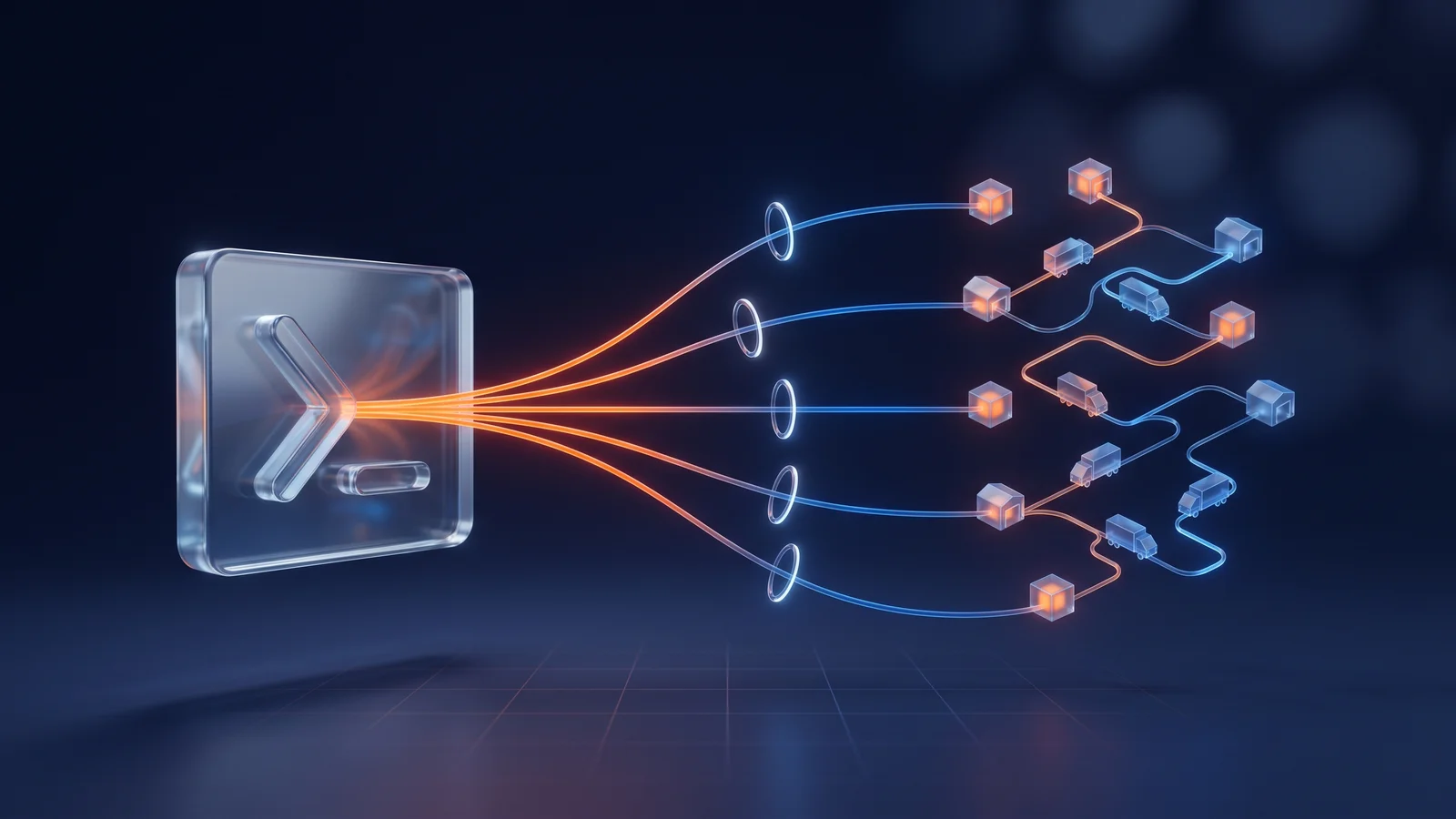 Run the freight desk from your AI agentConnect an agent once and let it book, assign, track and report, signed in as you and held to what you can do.Read the story
 Ask from any screen, act with your own accessA floating assistant on every logistics page, reading your live freight and metered per answer.Read the story
 Get a dispatch plan you can accept or rejectPlanned: a proposed driver, truck and carrier for each load, with the reasoning attached and never booked silently.Read the story
 Let the control tower sweep itselfPlanned: a flat list of late loads becomes a ranked, explained queue with a fix already drafted.Read the story
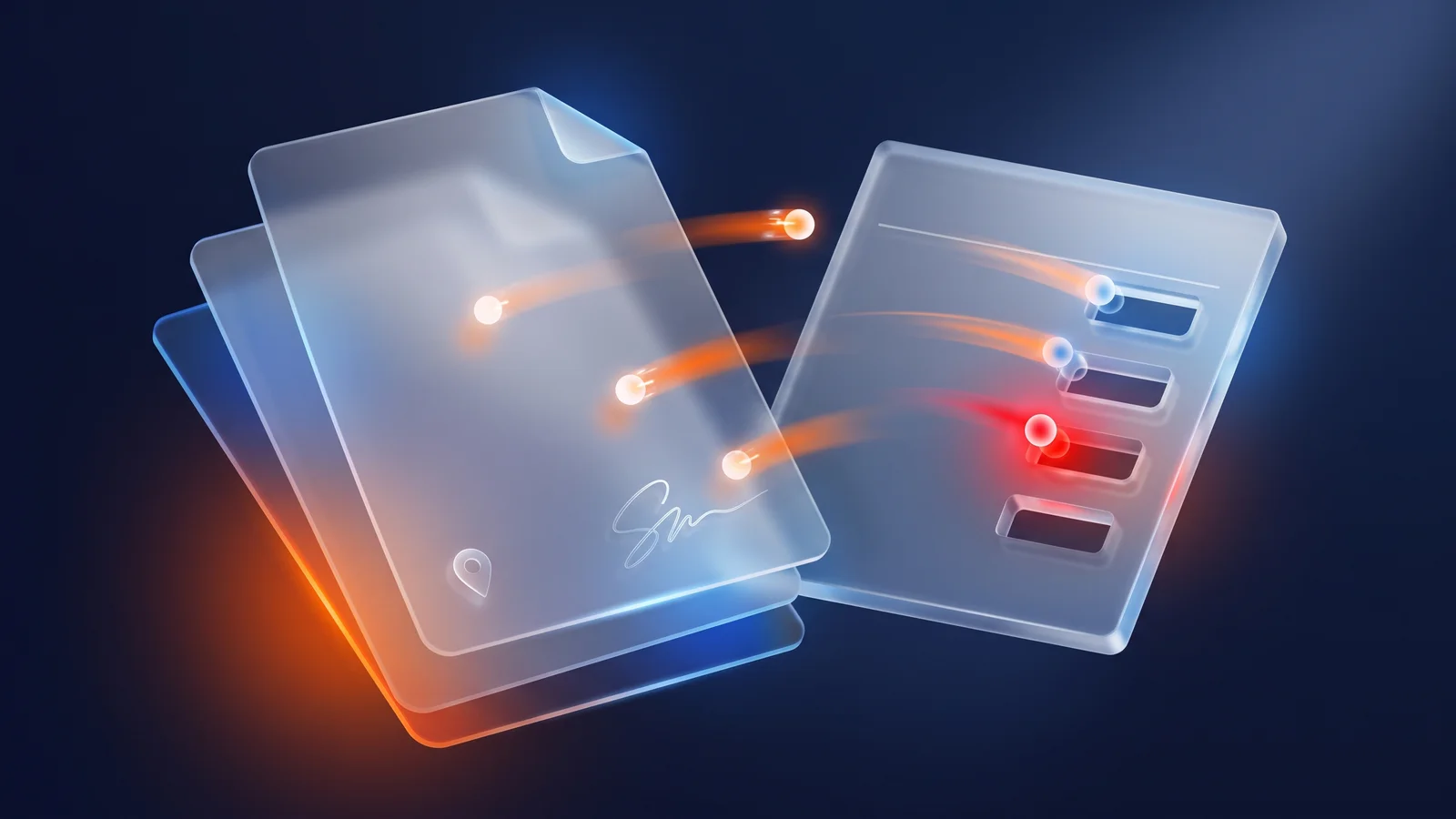 Stop re-typing bills of lading and invoicesPlanned: paperwork read, matched to the shipment, and only the lines that disagree flagged for you.Read the story
 Know what the AI touched, and whenEvery action, whether by a person, the assistant or an agent, lands in one redacted, durable trail.Read the storyPredict arrivals and flag risk earlyPlanned: location and lane history turned into predicted arrivals and early warnings.Read the story
AI you can actually let near your data
An AI-native product has to be governable. Here is where MoveTheWheels stands on each control — including the parts still being built.
One receipt per action, whoever made it
Person, assistant or agent, each action is filed the same way: who acted, what they did, which shipment or route it touched, and whether it worked.
Sensitive details stripped before storage
Licence numbers, tax IDs, business licences, emails and phone numbers are removed from the trail, and long entries trimmed, so it never mirrors your data.
AI inherits your access, never its own
The assistant and connected agents act with exactly your permissions and stop where you would. Capturing a proof of delivery is re-checked against the assigned driver.
AI spend is metered, not discovered later
Every answer checks your workspace credit balance before it starts and reports what it used after. Showing that spend per workspace in the product is the remaining half.
Confirmation before an agent deletes
Thirteen agent actions can delete records or adjust stock, and today they run on the first ask. A confirmation step is planned; until it lands, connect agents carefully.
Test set, run history and an undo path
Three pieces are planned and absent: a test set that checks answers before a change ships, a history of what each run decided, and a way to undo an agent's write.
Models
Bring your own keyMoveTheWheels runs no models of its own. The assistant uses the shared Burdenoff AI runtime with per-workspace credits, and nothing else in the product runs AI. Picking your own model, or bringing your own key, is planned, so we name no providers yet.
The honest answers
Both, and we keep them apart. Live today: the assistant on every screen, answering from your live workspace, and an MCP server giving your agent 87 named actions. Not live: any model-driven decision. Stop sequencing and late alerts are plain rules; predicted arrivals and dispatch suggestions are planned.
Put MoveTheWheels’s AI to work
Orders, shipments, drivers, trucks, routes, warehouses and stock live on one record. The assistant, and any AI agent you connect, reads and writes that record as you.